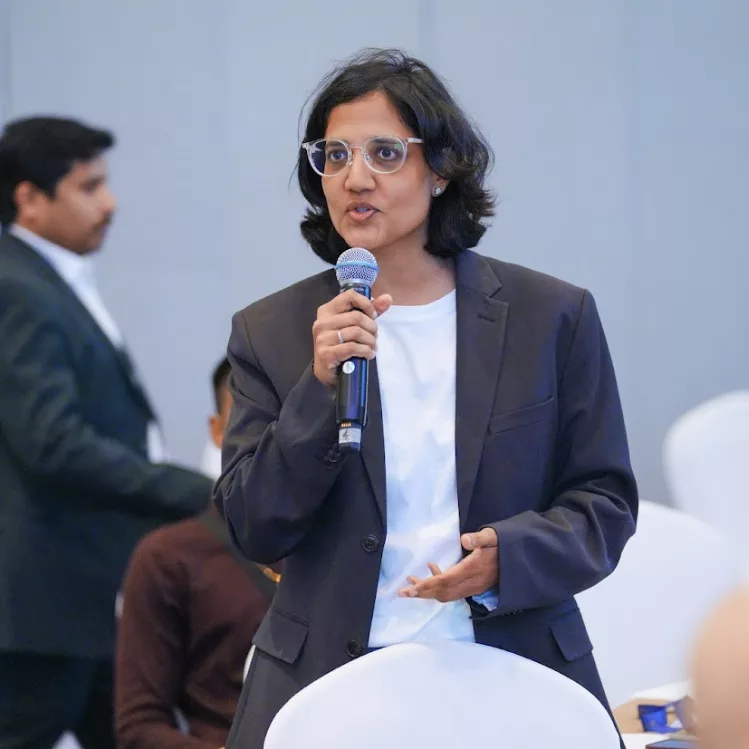


In a market flooded with vague promises and surface-level advice, Shanaaz Aboobaker spotted a gap—and filled it. With her expertise in neuroscience, behavioral psychology, and lived experience, she built a space where women gain real tools, not empty slogans. From disciplined systems to community-driven programs, Shanaaz helps ambitious women reclaim confidence, autonomy, and clarity—turning empowerment from a buzzword into measurable, life-changing results.
“I give women real tools, turning empowerment into measurable results.”
How did you identify a gap in the market for spiritual and women empowerment services?
Market research and my experience and degrees in neuroscience, behavioral psychology and the brain. I’ve had conversations with women and my analysis of responses received, challenges women face, etc.
I saw too many women outsourcing their power. They wanted confidence, freedom, and clarity, but the industry kept feeding them superficial surface level fluff.
I built a space that gives women real tools, not vague promises. The gap was obvious once I listened to what women actually needed and not what the market kept selling.
What steps did you take to transition your vision from concept to sustainable business?
I treated it like a discipline. I tested offers, refined my voice, tracked what converted, and cut anything that didn’t build momentum. I listened to feedback, especially the negative ones and went back to the drawing board many times.
I built a loyal community before I built complex service offerings. Sustainability came from consistency and honest iteration, my ability to not take criticism personally and deflect but actually use to create better outcomes for clients
How do you maintain motivation during the uncertain early stages of a startup?
I don’t wait for motivation. I’m a very self disciplined person. Motivation doesn’t last, and in business, you have to be disciplined. You have to show up no matter what.
I look at data, energy and demand. I make small, fast moves. I pivot when needed. The uncertainty becomes fuel when you focus on progress, not pressure. Also, I like proving myself right, which helps.
What marketing strategies worked best in reaching your target audience?
Really listening to women and their experiences. Storytelling. Clear positioning. Direct calls to action. Women do not resonate with vague spiritual jargon, they want lived experience and practical tools that work. We live in an age where information is everywhere but few people actually know how to integrate the knowledge. My expertise is simplifying complex concepts and showing my clients how to achieve the results they desire. Sharing my own evolution made the brand relatable, then the results kept people engaged.
How do you handle failure or setbacks in your entrepreneurial journey?
I treat them like research and data collection. Every failed idea reveals a better direction. I move quickly, learn the lesson, and keep building. Emotional resilience is a skill, not a personality trait. I am able to handle criticism well and use it to improve my services. I always look for critical feedback from my clients to stay relevant and continue to evolve my brand, innovate new services and that allows me to scale my income.
What role has networking played in scaling your business?
A massive role. Relationships create opportunities faster than any algorithm. I prioritize genuine conversations and relationships over social climbing. People open doors when they trust you. I’ve had the privilege of working with many high profile figures because of my network. I believe your network is your networth.
How do you build a team that shares your vision and values?
I hire for alignment first, skill second. I look for people who take initiative, communicate clearly and believe in women’s autonomy. You cannot teach hunger or integrity. You can teach tasks.
How do you integrate client feedback into evolving your offerings?
I watch patterns. One comment is an opinion. Ten comments are data. I refine programs based on what clients struggle with consistently. My offers evolve with the community because I build with them, not for them. I take their criticism and analyze how I can improve or create new services. I never take negative feedback in a bad way. I believe it’s all data that helps us evolve our brands and master our craft
What’s the most surprising lesson you’ve learned as a startup founder?
You do not need everything figured out to build something successful. You need clarity, speed, and courage. The market rewards action, not overthinking. You have to make decisions fast and pivot when needed.
How do you stay agile and adapt your business to changing needs and trends?
I track behavior, not hype. I pivot when demand shifts and simplify when things get cluttered. Agility comes from staying close to your audience and making quick decisions without emotional delay. This requires emotional intelligence. In order to grow and expand you have to be open to criticism and praise. The criticism is valuable because you find the gap and can improve based on real data and experiences from what others experience with your brand. The praise can show where we are already doing well.
“Entrepreneurship is clarity, speed, courage, and using feedback to evolve.”